
Company
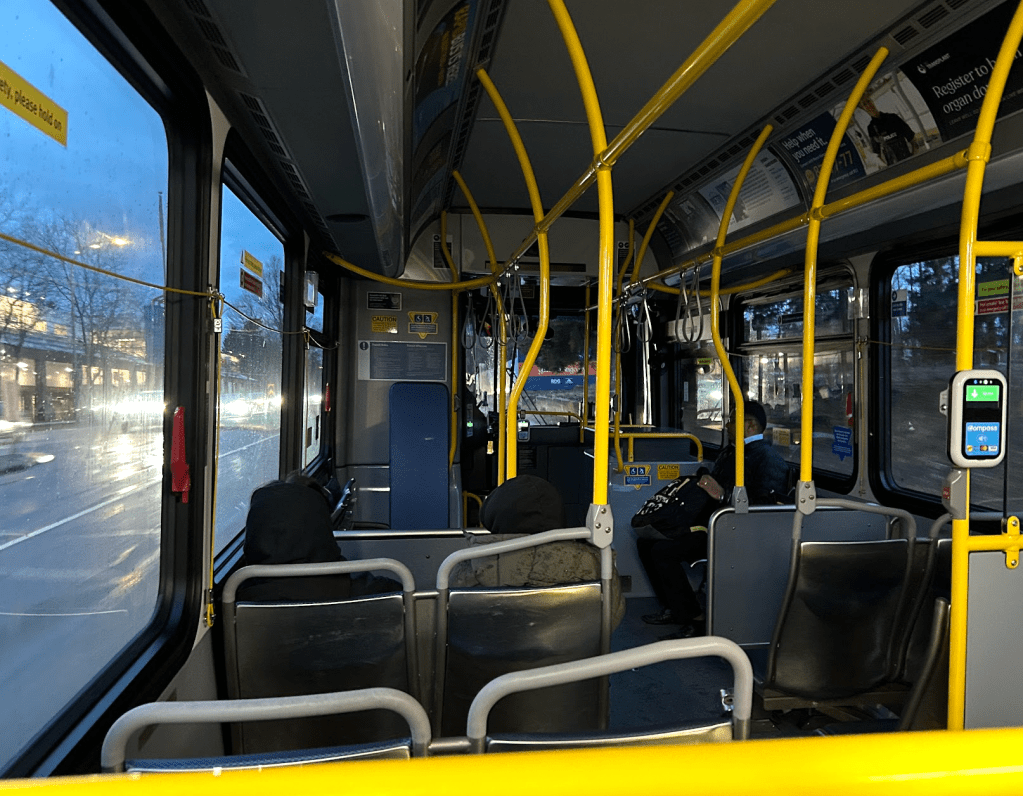
TransLink plans, funds, and manages Metro Vancouver’s transportation network, serving residents and visitors with public transit, major roads, bridges, and trip planning.
Scale
TransLink’s system spans 21 municipalities and supports an average of 1.3 million boardings every weekday.
With over 8,000 employees across TransLink and its operating companies, the enterprise is made up of a diverse and complex workforce of front-line workers, corporate shared services, and a mix of unionized and exempt employees.
Its operating companies include Coast Mountain Bus Company (CMBC), British Columbia Rapid Transit Company (BCRTC), Metro Vancouver Transit Police (MVTP), and the West Coast Express Ltd.
Role
User Research lead, for BCIT Consulting Project
Collaborators
Our BCIT Consulting team worked with TransLink’s Business Technology Services (BTS) Office – their Application Support, Analytics, and Governance managers. Within our lean working team, I worked directly with our project manager, governance analyst and content specialist.
Context
As part of their ongoing efforts to enhance operational efficiency and innovation, TransLink is encouraging employees to adopt low-code and no-code solutions, such as Microsoft’s Power Apps, Power Automate, or other low-code solution offerings in the market.
Empowering employees to build their own solutions can significantly speed up problem-solving and improve productivity by allowing those closest to the issues to create tailored applications. However, to ensure these tools are used effectively and responsibly, they recognized the required a governance model to support effective use and oversight of these applications as they are developed
Work
The TransLink team provided a directive to develop customer-centric governance. This enabled the creation of a stakeholder research plan aimed at understanding the current experience, motivations, actions, pain points, and informational needs of citizen developers.
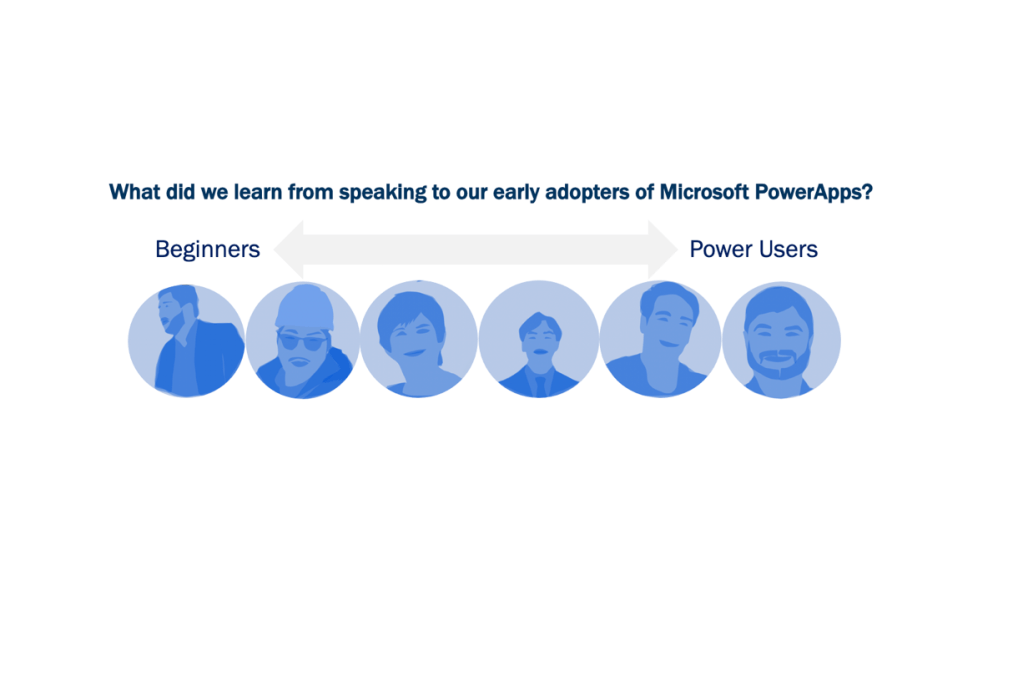
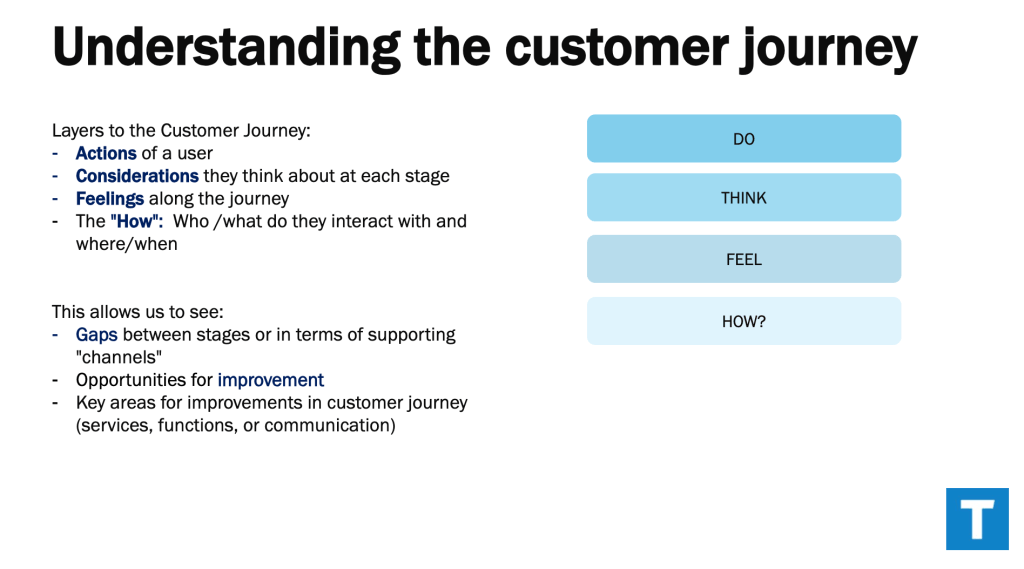

TransLink’s team values iteration and early feedback. Preliminary research themes were presented in collaborative debriefs with BTS managers.
These sessions helped define the governance approach, using customer insights to determine how the team should manage specific journey moments and clarify key definitions around responsibilities and support interactions.
Application of Insights: Governance at the Right Time:
The purpose of applying a customer-centric approach was for BTS Management to understand how to encourage employees to explore low-code automation without overwhelming them.
Key learnings included determining when to teach various topics based on the experience level of the developer and identifying confusion points in the end-to-end process to better support governance content during those scenarios.
Impact
Following the presentation of the customer journey mapping, TransLink stakeholders adopted this framework as a reference point and incorporated research terminology into their project vocabulary. The insights and resulting governance documentation were presented to TransLink’s CIO and IT senior leaders for implementation.
 ao
ao 